Owning the Hot Seat: How Media Professionals Can Turn Surprise Questions Into Strategic Wins

There is a split second that every person in front of a camera dreads. An unexpected question lands. The room goes quiet. The silence stretches just a little too long. In that pause, your reputation is being written in real time.
That moment is the fork in the road. One path leads to flustered reactions and defensive answers. The other leads to steady control and strategic clarity. The difference is rarely intelligence. It is preparation.
Handling surprise questions is no longer a “nice to have” skill. It is table stakes for anyone who operates in the public eye. The question is simple: can you stay steady when the temperature rises? Improvisation might be a gift. Strategic response is a discipline. And like any discipline, it can be trained.
Why Even the Sharpest Minds Freeze Under Pressure?
When a surprise question hits, the problem is usually not knowledge. It is biology.
Your brain interprets sudden scrutiny as a threat. Your heart rate climbs. Your breathing tightens. Your mind scrambles to find solid ground. In that moment, the prefrontal cortex, the part responsible for reasoning and focus, temporarily loses control to the brain’s alarm system. Even brilliant professionals can feel their thoughts scatter like papers in a gust of wind.
This is why emotional composure on camera is not about looking confident. It is about protecting your cognitive clarity under stress. Media presence is less about charisma and more about nervous system regulation.
To navigate high-pressure interviews effectively, you first need to recognize the type of question you are facing.
- The Trap Question: It sounds neutral. It is not. It is designed to highlight inconsistencies in your past statements or force a contradiction. The goal is exposure, not insight.
- The Hypothetical Question: “What if a crisis happens?” These questions invite speculation. Today’s guess can become tomorrow’s headline.
- The Hostile Question: This one comes with an edge. It challenges your integrity, your competence, or your intentions. It is a stress test of your composure.
Managing these moments requires more than quick thinking. It demands an understanding of media crisis dynamics and the ability to stay grounded while the spotlight intensifies. When you master that balance, you control the narrative rather than become part of it.
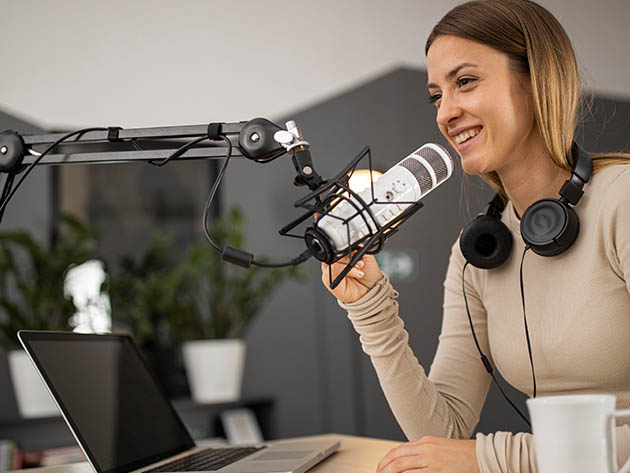
The ABC Method: A Simple Framework for High-Pressure Moments
When adrenaline spikes, complexity is your enemy. You need a clear mental playbook. The ABC Method offers a structured way to respond intentionally rather than impulsively.
1. Acknowledge
Do not swat the question away. Contain it. A calm response, such as “That’s an important concern many people have,” buys you time and lowers the temperature in the room. You are signaling confidence, not defensiveness.
2. Bridge
Once you have acknowledged the question, guide the conversation in the direction it needs to go. Phrases like “What’s critical to understand here is…” or “The larger issue we should focus on is…” allow you to pivot without appearing evasive. This is the art of redirection without retreat.
3. Communicate
Return to your core message. Clearly. Confidently. This is where you demonstrate leadership. You are not dodging the question. You are reframing it with perspective. Audiences reward that kind of clarity.
Used effectively, this framework strengthens your on-screen presence and builds trust. Viewers sense when someone is steering the ship rather than clinging to it.

The Red Zone: When Your Body Speaks Louder Than Your Words
In high-stakes interviews, your body often tells the truth before your mouth does. A tightened jaw. A flicker of irritation. Eyes that dart away for half a second too long. These microexpressions may last only a heartbeat, but cameras capture everything. Audiences might not consciously analyze them, yet they register the signal.
Strong media training begins with awareness. You learn to recognize your stress triggers. Then you learn to regulate them.
Steady eye contact without challenge. A grounded tone of voice. Measured breathing. These cues send a powerful message: I am composed. I am in control. In moments of media tension, how you say something often carries more weight than what you say.
In cultures that value poise and dignity, especially across Gulf societies, calm under pressure is more than a communication skill. It is a credibility marker. True media charisma emerges when your words and body language move in sync.
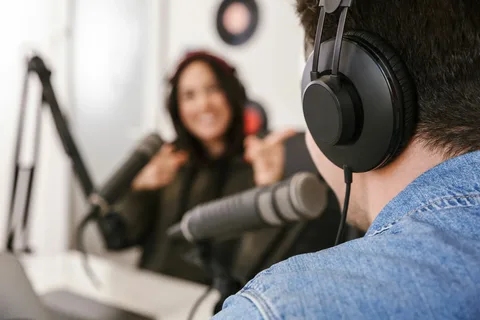
Practice Beats Memorization Every Time
Memorized answers feel comforting. Until reality interrupts. A journalist rephrases the question. Someone cuts you off. The conversation shifts. Suddenly, the polished script in your head falls apart. Media environments are fluid. Static answers cannot survive in dynamic situations.
Mastering presence is not about stockpiling clever lines. It is about learning to think clearly while the ground is moving.
At Andgrow, training moves beyond theory. Participants step into simulated interview scenarios that mirror real-world pressure. Coaches play devil’s advocate. They interrupt. They challenge. They push. Not to embarrass, but to build resilience.
Sessions are recorded, allowing participants to review their performance:
- How was your eye contact?
- Did your tone shift?
- Did you maintain emotional composure on camera?
- Did you apply the Bridging Technique at the right moment?
A recent study presented at the International Conference on Computers in Education found that interactive speaking coaching reduced public speaking anxiety by 25.2 percent and improved performance efficiency by roughly 60.5 percent after training. The takeaway is clear. Simulation works. Exposure builds confidence. Practice rewires response.
When the Camera Is On, Your Character Is Showing
The media is not a battlefield. It is a magnifying glass. Unexpected questions are not disasters waiting to happen. They are opportunities to reveal how you think, how you regulate emotion, and how you lead under scrutiny. The professionals who handle these moments well do not look evasive. They look steady. Grounded. Thoughtful.
The real difference between walking away diminished or walking away elevated lies in preparation long before the lights turn on.
So here is the question that matters: Are you training for the pressure, or hoping you can wing it when it counts?
Do not gamble your reputation on a live broadcast. Book a Media Simulation session with a specialized coach at Andgrow and build the response tools that protect your image, sharpen your authority, and deepen audience trust.
This article was prepared by coach Adnan Al Qadi, a certified coach from Andgrow.
References
دعنا نساعدك
دعنا نساعدك
Achieve your goals and get the support you need. Contact us and start the journey of change you want.
تواصل معنا الآن
آخر المدونات

تأثير الكوتشينغ في تركيز الطلاب: دراسة علمية لزيادة الانتباه بنسبة 40%
يعدُّ التشتت الدراسي العدو الخفي للتحصيل الأكاديمي، ربَّما شعرت يوماً بأنَّك تائه بين المهام، وغير قادر على التركيز لفترات طويلة، تتصفح هاتفك دون أن تشعر، اقرأ المزيد

كيف يساعد الكوتش عملاءه على تحقيق النجاح؟
الكوتشينغ لم يعد مجرد مفهوم نظري، بل أصبح ممارسة عملية فعالة في كثير من الشركات الناجحة، وضرورة للأفراد لتحقيق نجاحهم الشخصي والمهني؛ ولكن ذلك النجاح اقرأ المزيد
كيف يعزز الذكاء العاطفي التأثير الإعلامي؟ دور الكوتشينغ في تطوير التواصل العاطفي مع الجمهور
أصبح الذكاء العاطفي في الإعلام من العوامل الأساسية التي تُنجِح الرسائل الإعلامية وتحقق التأثير المطلوب في الجمهور. نتناول في هذا المقال كيف يعزز الذكاء العاطفي اقرأ المزيد
اشترك في نشرتنا الإخبارية
اكتب بريدك الالكتروني واضغط على زر اشتراك
اشترك الآن واحصل على آخر المقالات والأبحاث والمنتجات التي تجعلك أقوى من أي وقت قد مضى.
