The Art of Workshop Design: Turning Knowledge into Experiences People Remember

Designing training workshops Training coaching
Picture a familiar scene that plays out in conference rooms everywhere. A highly experienced trainer stands at the front of the room, armed with impressive credentials and a deck packed with insights. Two hours later, the audience is physically present but mentally somewhere between unread emails and dinner plans.
The issue is rarely the quality of the knowledge itself. Most trainers know their subject cold. The real problem lies beneath the surface: the workshop was designed as a broadcast rather than an experience.
When training becomes a one-way stream of information, participants shift into survival mode. They stop engaging and start enduring.
Real training works differently. It pulls people into the conversation. It creates momentum, curiosity, and participation. The best workshops feel less like classrooms and more like a well-run writers’ room, where everyone contributes to shaping the outcome.
Teaching Versus Training: The Mental Shift Most Experts Miss
One of the biggest traps experts fall into is treating workshops like university lectures. That subtle mindset difference changes everything.
Teaching Is Built Around Content
Traditional teaching usually revolves around one central question: What do I need to explain?
That approach often leads to:
- Covering as much material as possible
- Heavy reliance on presentations and explanations
- Measuring success by how many slides were completed
It becomes a race to “get through the material,” even when nobody is truly absorbing it.
Training Is Built Around the Learner
Training asks a completely different question: What will people actually do with this afterward?
That shift changes the entire room dynamic:
- Practical application becomes the priority
- Participants actively interact with the material
- Success is measured by behavior change and real-world impact
The difference is similar to the gap between watching a cooking show and actually stepping into the kitchen. One gives information. The other builds capability.
The Courage to “Kill Your Darlings”
Every expert has favorite insights, stories, and frameworks they love sharing. The challenge is that audiences cannot absorb everything at once.
One of the smartest moves in workshop design is learning what to remove.
That can feel painful at first because expertise naturally creates attachment. You spent years earning that knowledge, so cutting content feels almost personal. But overloaded workshops create the same effect as trying to drink from a fire hydrant. Participants leave soaked, not nourished.
Ironically, reducing content by 30 to 50 percent often makes a workshop dramatically more effective by creating space for reflection, discussion, and application.
This is where training coaches bring enormous value in developing training materials. They help trainers:
- Strip away unnecessary complexity
- Refocus content around outcomes instead of information volume
- Build facilitation skills that encourage interaction instead of monologues
At the end of the day, the value of a workshop is not measured by how much the trainer said. It is measured by what participants still remember and apply on Monday morning.
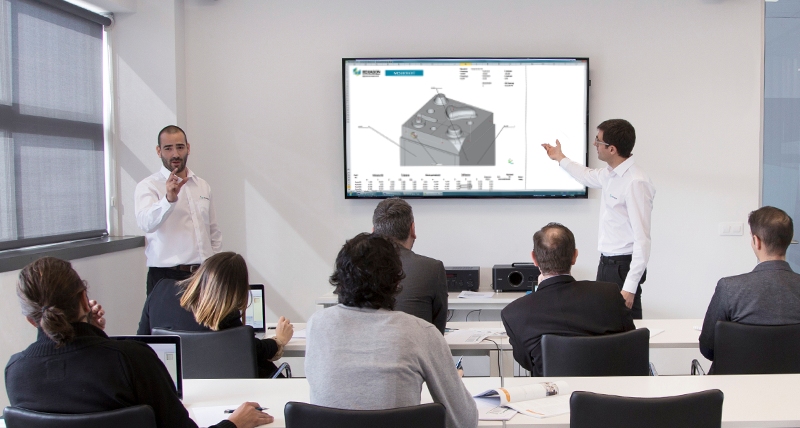
The Four-Part Blueprint Behind Workshops People Talk About for Months
Memorable workshops rarely happen by accident. Behind almost every powerful learning experience is a structure designed to guide attention, emotion, and participation step by step.
One of the most effective approaches draws inspiration from the 4MAT framework and Kolb’s experiential learning principles. The model creates a balanced journey that moves participants from curiosity to understanding to action.
The entire workshop can be built around four essential questions.
1. Why? — Earn Attention Before Delivering Information
Before participants care about your expertise, they need to understand why it matters to them personally. At this stage:
- Introduce a real workplace challenge
- Show the hidden cost of ignoring the skill
- Connect the topic to personal goals or professional growth
This is where active learning strategies truly begin because motivation always comes before engagement.
People do not buy drills because they love drills. They buy drills because they want holes in the wall.
2. What? — Deliver Knowledge Without Drowning People in It
Once attention is locked in, knowledge should arrive with clarity and precision. Strong workshop design at this stage means:
- Focusing on the essential 20% that creates the biggest impact
- Using practical, relatable examples
- Avoiding unnecessary jargon and complexity
Well-designed training materials should feel easy to follow, not like decoding a tax form at midnight.
3. How? — The Moment the Room Comes Alive
This is the heartbeat of the workshop. The energy shifts because participants stop consuming and start doing. This stage includes:
- Individual exercises
- Group collaboration
- Simulations based on realistic workplace situations
- Interactive problem solving
Training gamification can make this phase especially powerful by adding momentum, competition, and emotional investment. A little challenge can wake up a room faster than a double espresso.
4. What If? — Bringing Learning Into Real Life
A workshop succeeds only when the learning survives outside the room. This final stage helps participants bridge the gap between theory and reality:
- Exploring multiple application scenarios
- Building personal action plans
- Sharing experiences and perspectives with others
This is where facilitation skills become the hidden superpower of exceptional trainers. Great facilitators know how to guide conversations without controlling them. They create enough structure to maintain focus while leaving enough freedom for authentic discussion to emerge.
When this framework is used intentionally, the workshop stops feeling like a presentation and starts feeling like a transformation.

Engagement Is Designed, Not Accidentally Discovered
Engagement Is Designed, Not Accidentally Discovered
Many trainers still rely on one exhausted question to create interaction: “Does anyone have questions?”
Usually, silence answers first.
Real engagement does not magically appear because a trainer asks for it. It must be engineered throughout the workshop to use tools that keep participants mentally, emotionally, and practically engaged from beginning to end.
1. Gamification: Turning Energy Into Participation
People naturally engage when a challenge enters the room. Gamification techniques can include:
- Team-based competitions
- Point systems and symbolic rewards
- Scenario-based challenges tied to real workplace situations
This approach works especially well in fast-paced or competitive environments because it transforms learning from passive observation into active participation.
Suddenly, the room feels less like a seminar and more like a playoff game where everyone wants the win.
2. Localized Case Studies: Make Learning Feel Real
One major mistake in training material development is relying on polished examples from giant corporations that feel disconnected from participants’ realities.
People connect faster when examples reflect their own environment.
Instead:
- Use scenarios from local industries or familiar workplace settings
- Discuss challenges participants genuinely face
- Tie theory directly to real decisions and consequences
The closer the example feels to real life, the faster trust and relevance grow.
3. Peer Learning: Let the Room Teach Itself
Some of the most valuable expertise in any workshop already exists inside the audience.
Strong facilitators know how to unlock it.
That can include:
- Asking participants to explain concepts to one another
- Encouraging collaborative problem solving
- Creating structured discussions around shared experiences
When participants teach each other, learning feels more authentic and memorable because it stops sounding scripted.
People often remember the conversation they joined far longer than the presentation they watched.
Information alone rarely changes people. Experiences do.
That is the real power behind exceptional workshop design. It transforms training from a passive event into something participants carry with them long after the session ends. The goal is not to impress people with expertise for a few hours. The goal is to create moments that quietly reshape how they think, work, communicate, and lead.
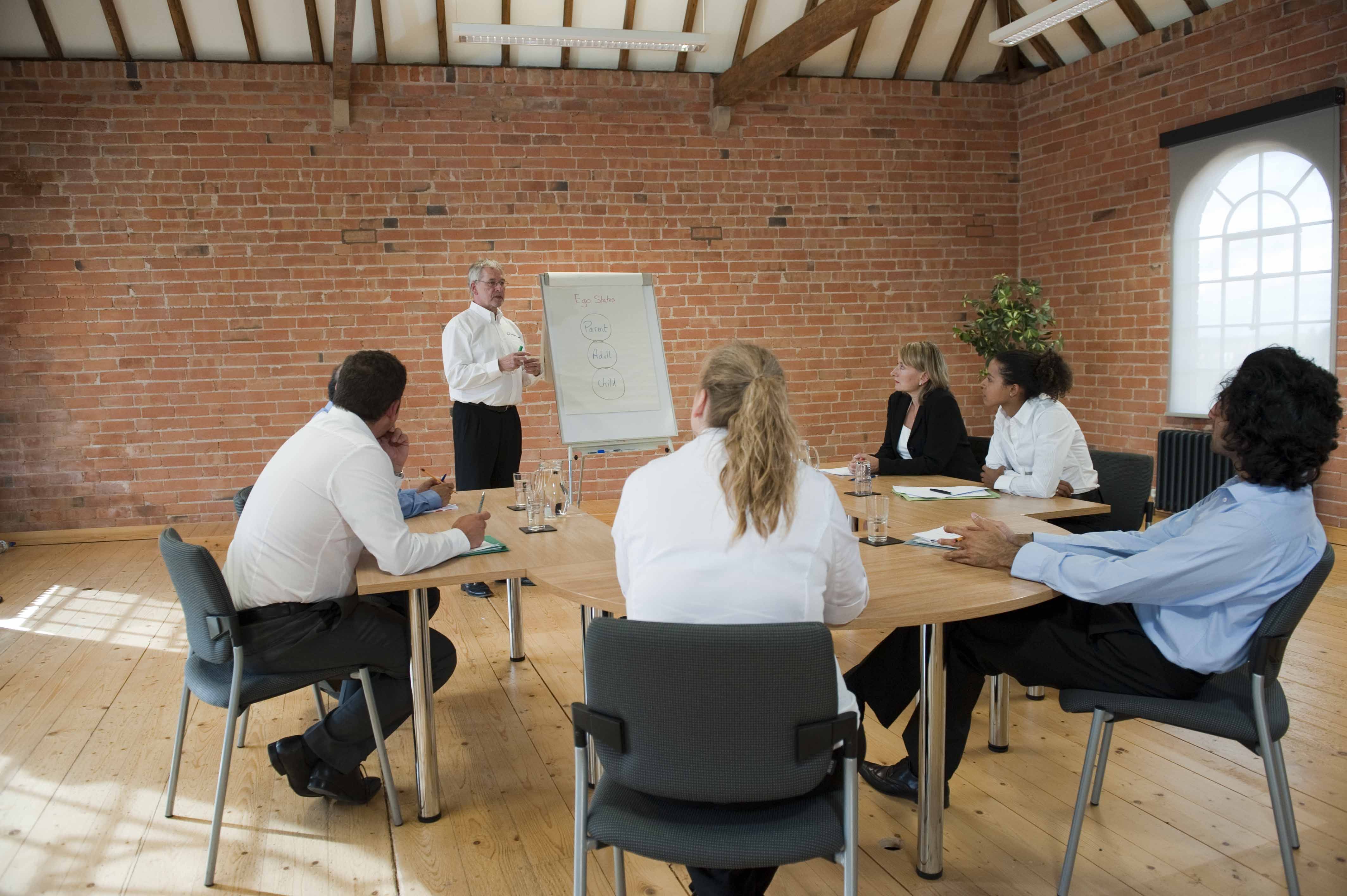
From Content Expert to Room Leader: How a Training Coach Sharpens the Way You Facilitate
You can build a beautifully structured workshop on paper and still struggle to create impact once the session begins.
Because the truth is, there is a massive difference between designing a workshop and successfully leading one.
A training room is a living environment. Energy shifts quickly. Attention rises and falls. Discussions move in unexpected directions. Even the strongest content can fall flat if the delivery feels rigid, overloaded, or disconnected from the audience.
This is where your role evolves.
You are no longer simply a designer organizing information. You become a facilitator, shaping an experience in real time, guiding conversations, reading the room, and creating an environment where people feel involved rather than instructed.
And that transition rarely happens alone.
Mastering training material development is important, but it is only one piece of the equation. What truly elevates a workshop is having an experienced training coach who can help transform structured content into a meaningful learning journey people actually connect with.
That transformation usually happens across three powerful stages.
1. Pressure Testing the Training Package
Before focusing on delivery, a strong training coach starts by examining the foundation itself.
The first goal is not to make the workshop “bigger.” It is to make it sharper.
Together, you analyze the content through the lens of clear and measurable outcomes. Then the workshop is rebuilt around active learning principles, so the experience feels intentional rather than overloaded.
This often includes:
- Simplifying dense sections
- Aligning activities with practical outcomes
- Creating a healthier balance between theory and application
- Applying learning models such as the 10/20/70 principle to improve retention and usability
Many trainers assume adding more information increases value. In reality, audiences absorb workshops the way smartphones absorb battery life. Too many apps running at once drain everything fast.
Focused learning almost always creates a stronger impact than crowded learning.
2. Fixing the Flow Before the Audience Feels the Friction
Once the content is refined, attention shifts to something even more important: the participant experience.
This stage focuses on critiquing the workshop scenario itself:
- How does the session flow emotionally and mentally?
- Where are participants most likely to disengage?
- Which activities create momentum, and which ones slow the room down?
An experienced training coach helps identify invisible friction points that trainers often miss because they are too close to their own material.
This process allows you to see the workshop from the participants’ perspective rather than from inside your own expertise bubble.
Sometimes a workshop fails for the same reason a movie loses its audience halfway through. The pacing collapses.
Great facilitation is not just about delivering information clearly. It is about managing rhythm, energy, curiosity, and attention from start to finish.
3. Turning Delivery Into Presence
This is where the biggest transformation happens.
Because ultimately, participants do not respond to slides. They respond to presence.
At this stage, the training coach focuses on strengthening your facilitation skills so you can lead the room with confidence and flexibility.
That includes learning how to:
- Guide discussions without dominating them
- Ask questions that spark reflection instead of one-word answers
- Handle dominant personalities without shutting down the room
- Draw quieter participants into the conversation naturally
- Navigate unexpected moments without losing momentum
This is also where gamification tools can dramatically elevate the experience by sustaining participation, increasing energy, and keeping attention alive throughout the session.
A skilled facilitator knows how to make a room feel awake. That skill matters more than most trainers realize.
Participants can sense the difference between someone delivering information and someone creating an experience in real time.
One of the greatest challenges experts face is something psychologists call “the curse of knowledge.” Once you know something deeply, it becomes incredibly difficult to remember what it feels like not to know it.
That is why experts sometimes overexplain, move too quickly, or unintentionally overwhelm participants.
A training coach acts as an outside lens that helps bridge that gap. They help translate expertise into clarity, interaction, and practical learning moments people can actually absorb.
The result is not simply a smoother workshop.
It is a workshop that leaves fingerprints.
People Rarely Remember Slides, But They Always Remember Experiences
Participants may forget specific frameworks, statistics, or definitions by next month.
But they will absolutely remember how the workshop made them feel.
They will remember whether they felt energized or invisible. Challenged or bored. Inspired or mentally checked out.
That is the real power of exceptional workshop design.
It is not about transferring information from one brain to another like a software download. It is about creating an experience that shifts perspective, builds confidence, and changes behavior long after the session ends.
When you combine active learning strategies, stronger training material development, and advanced facilitation skills, you stop being “someone who teaches.”
You become someone who creates transformation.
And in today’s world, that difference is everything.
Do you have strong expertise but worry that it may not connect with your audience?
Do not risk your reputation with a boring workshop. Book a “Training Package Review and Design” session with a professional training coaching expert through AndGrow and transform your expertise into an inspiring learning experience.
This article was prepared by coach Ibrahim Mohamed, a certified coach from Andgrow.
References
Lets help you
Lets help you
Achieve your goals and get the support you need. Contact us and start the journey of change you want.
Contact us now
Recent Blogs

Why Teacher Coaching Is the Smartest Investment Schools Can Make for the Future?
Education is walking through an unprecedented storm: distracted learners, overwhelmed teachers, and a widening generational divide. And this raises a sharper, more urgent question: Can Read more

Why Smart Gulf Organizations Are Betting on Coaching, Not Compensation?
In Riyadh and Dubai, a quiet but relentless talent war is underway. High performers are courted with eye-watering salaries, premium benefits, and glossy job titles. Read more

The Gift Nobody Wants: Why Career Rejection Might Be Your Biggest Advantage
How many times have you poured your energy into an application, only to be met with silence—or worse, a polite rejection? That moment can feel Read more
Subscribe to our Newsletter
Write your email and click on Subscribe
Subscribe now to get the latest articles, research, and products that make you stronger than ever
