Own the Frame: How to Make Your Body Language Work for You on Camera
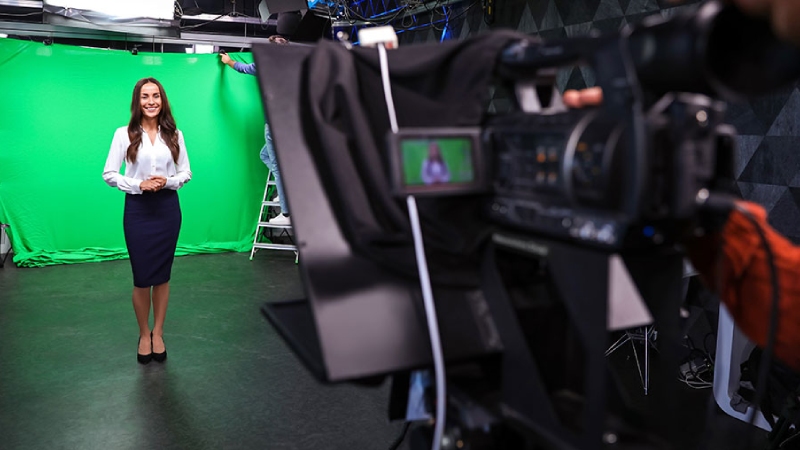
When the camera turns on, it doesn’t just capture you. It magnifies you. A hint of nerves can read like full-blown anxiety. Excitement can tip into overacting. Even a flicker of boredom shows up loud and clear across your face. A small, harmless gesture in real life can suddenly feel distracting on screen.
That’s the reality of media presence. You’re not judged only by your words. You’re evaluated by the full picture you present.
For leaders and speakers, body language isn’t a nice-to-have. It’s the delivery system of the message itself. If your body looks tense or scattered, even your best ideas lose their edge. But when your movements line up with your words, something clicks. Your credibility rises. Your influence lands.
This is where real presence begins. Not with performance, but with alignment. A body that tells the same story as your voice.
Eyes That Connect, Not Just Look: Speaking to Someone You Can’t See
On camera, your eyes do most of the talking before you even open your mouth. They signal confidence, honesty, and emotional presence in seconds.
The challenge is knowing where to look and when.
Looking straight into the lens feels like a direct handshake with the viewer. It builds trust fast. Shifting your gaze toward the interviewer creates a more natural, conversational rhythm. It shows you’re engaged, not performing.
Mastering this balance turns eye contact into a powerful tool. It strengthens your communication, sharpens your presence, and makes your message feel personal even through a screen.
But many people fall into a common trap known as wandering eyes. That subtle lack of focus reads as uncertainty or hidden stress.
This is where Ansgrow makes a real difference. A trained coach helps you steady your gaze, manage excessive blinking, and stay visually grounded. Over time, your eyes stop giving you away and start working for you. They become a quiet force that reinforces trust and draws people in.

Your Hands Tell the Truth Before You Do
Your hands can either support your message or quietly sabotage it.
That’s why professionals rely on what’s often called the “Truth Box.” Think of it as your safe zone for movement, the space between your shoulders and your navel. Stay within it, and your gestures feel natural, intentional, and easy to follow. Step outside it, and things can quickly feel chaotic or distracting.
What to watch out for?
- Clasped fingers can signal defensiveness or emotional distance.
- Fidgeting with a pen or phone pulls attention away from your message.
- Touching your face often reads as nervousness or hesitation.
What works in your favor?
- Open hands communicate honesty and openness. They invite trust without saying a word.
- A firm, controlled gesture to emphasize a point shows clarity and decisiveness. It tells your audience you mean what you say.
As communication expert Joe Navarro puts it, the ability to express yourself through your hands can dramatically increase your impact, whether you’re speaking at work, at home, or anywhere in between.
When used intentionally, your hands stop being random movements. They become part of your message. They guide attention, reinforce ideas, and give your words weight.
Posture That Speaks Before You Do
Before you say a single word, your posture has already made an impression. On camera, how you sit or stand shapes how people interpret your confidence, authority, and engagement.
- Leaning slightly forward while seated signals interest and presence. It shows you’re tuned in and mentally there.
- Leaning too far back can come across as detached or even dismissive, whether you mean it or not.
- If you’re standing, grounding yourself matters more than you think. A stable stance keeps your body from subtle, nervous movements and gives you a steady, composed presence.
- Even small habits count. Constantly adjusting clothing, whether it’s a jacket, scarf, or traditional attire, can break the flow and distract viewers more than you realize.
When posture is intentional, it doesn’t just support your message; it also conveys it. It strengthens it.
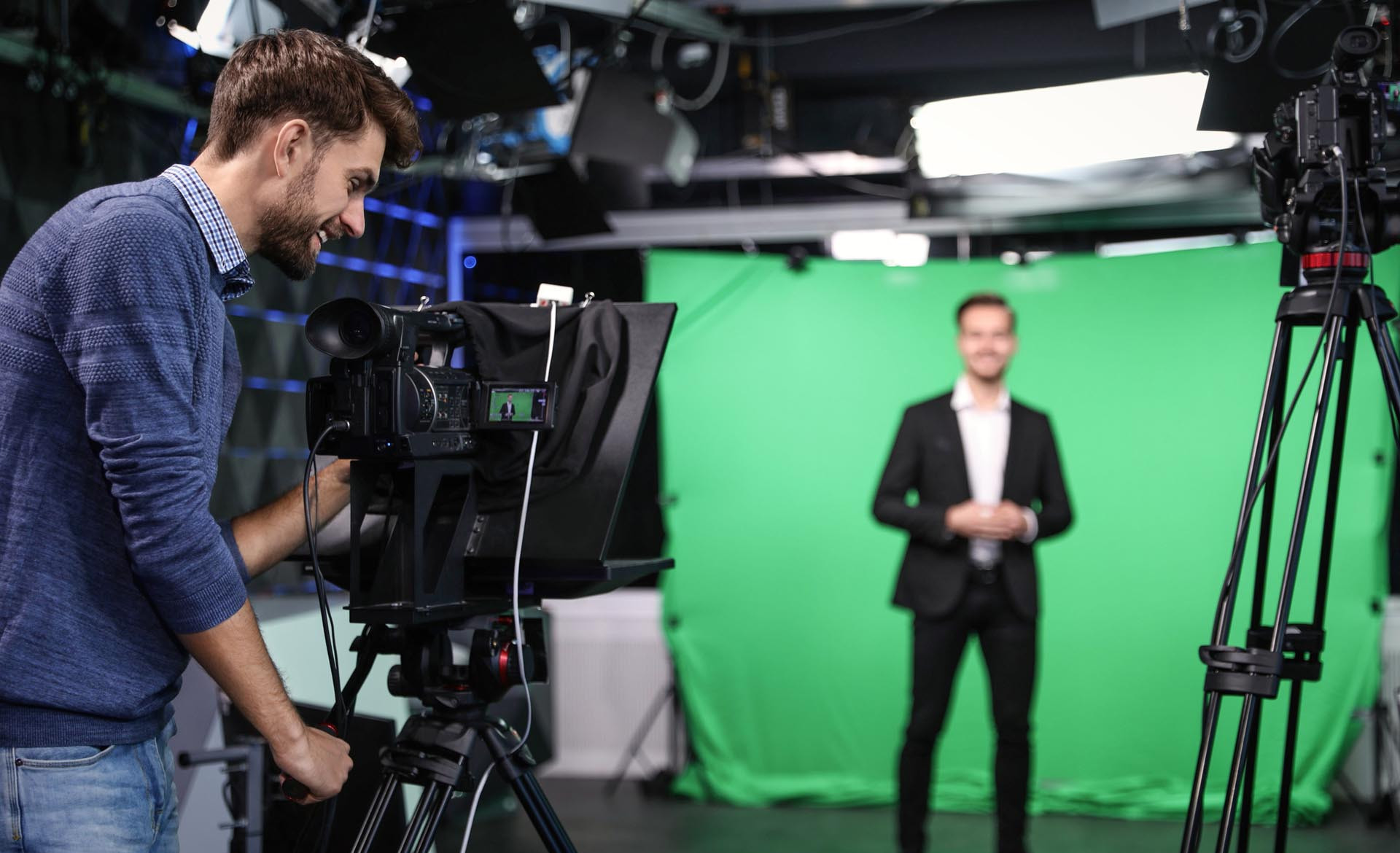
The Face Never Lies: Managing Micro Expressions
Your face is your most revealing communication tool. It picks up and broadcasts even the smallest emotional shifts. That’s why managing micro expressions is essential on camera.
- Duchenne Smile (smiling with the eyes): Use a natural smile that engages eye muscles to appear genuinely sincere. It adds instant credibility and strengthens emotional connection with the audience, ensuring body language aligns with your message.
- Neutral face during difficult questions: Maintaining a neutral expression when receiving sensitive or challenging questions prevents unintended signs of anger or sarcasm from being captured. This control helps reduce camera anxiety and projects a composed, confident image throughout the interview.
Through these techniques, the face becomes more than a tool for expression—an instrument for enhancing credibility and presence, making media performance more powerful and authentic.
The Blind Spot Problem: Why You Need an Outside Eye
Here’s the truth. You can’t fully see yourself while you’re speaking.
Those small habits, the quick face touch, the restless hands, the slight shifts in posture, often go unnoticed by you but stand out clearly to your audience.
That’s where a coach becomes invaluable.
A skilled Andgrow coach acts like a mirror you didn’t know you needed. They catch the details, break them down, and help you refine them.
They’ll replay your performance, frame by frame, showing you exactly what works and what doesn’t. Over time, through repetition and feedback, confident behaviors become second nature. You stop thinking about them. You just show up with presence.
- Detecting physical ticks: Small habits like touching your face or handshaking may go unnoticed by you, but may be interpreted by viewers as nervousness or hesitation.
- Video playback analysis: The coach reviews your performance second by second, analyzing every movement and identifying what needs improvement or reinforcement.
- Building muscle memory of confident behavior: Through repetition, correct movements become natural and automatic, enhancing on-screen charisma, strengthening body language, improving public speaking skills, and reducing camera anxiety.
In this way, the coach’s virtual mirror becomes a decisive tool that makes media presence more professional, precise, and effective in delivering your message with full confidence and credibility.
Presence Is the Packaging of Your Message
Even the strongest idea can fall flat if it’s delivered with uncertainty.
Body language is how your message is wrapped and presented to the world. It shapes how people receive you before they fully process what you’re saying.
When your body and your words move in sync, your message doesn’t just land. It resonates.
Are you worried that your body language might betray you in your next interview?
Turn anxiety into charisma. Book a “Media Simulation Session” with a specialized coach at AndGrow and receive hands-on training that helps you command both the screen and the audience.
This article was prepared by coach Ammar Ahmed, Coach Certified by Andgrow.
References
Lets help you
Lets help you
Achieve your goals and get the support you need. Contact us and start the journey of change you want.
Contact us now
Recent Blogs

Hear Beyond Words: A Guide to Mastering Active Listening in Coaching
Here’s a surprising truth: most people don’t actually listen; they simply wait for their turn to talk. In everyday conversations, this might seem harmless. But Read more

The Facilitator Leader: Turning Tough Conversations into a Leadership Edge
In a glass-walled conference room, the energy is rising. Voices overlap. Opinions clash. The decision on the table carries real weight—and now the room is Read more
The Gottman 5:1 Ratio: How Coaching Turns Marital Stress Into Strength
Across the Gulf region, divorce rates are climbing—yet the real culprit isn’t always a lack of love. More often, relationships unravel because couples mismanage their Read more
Subscribe to our Newsletter
Write your email and click on Subscribe
Subscribe now to get the latest articles, research, and products that make you stronger than ever
